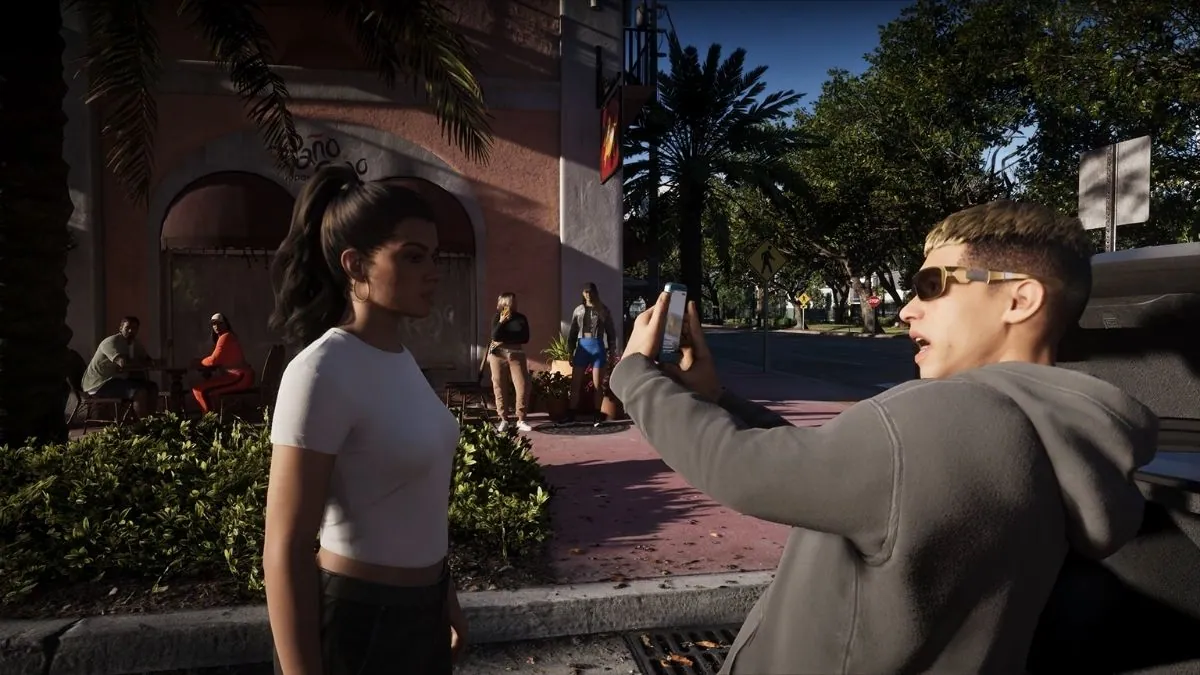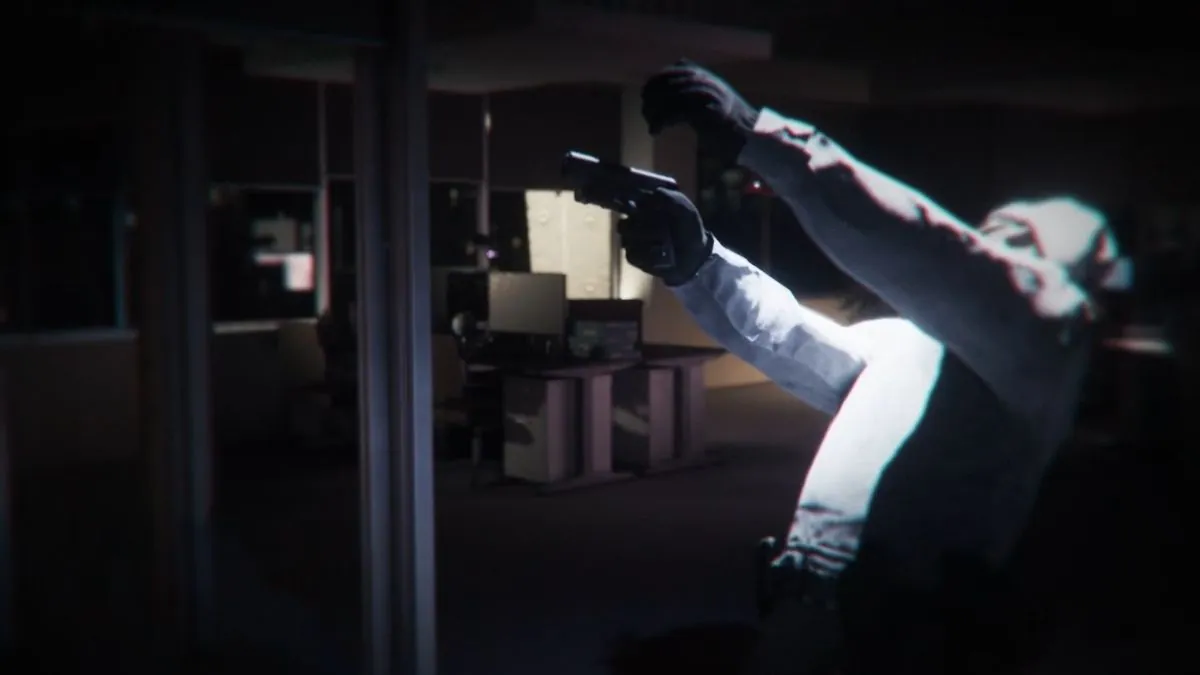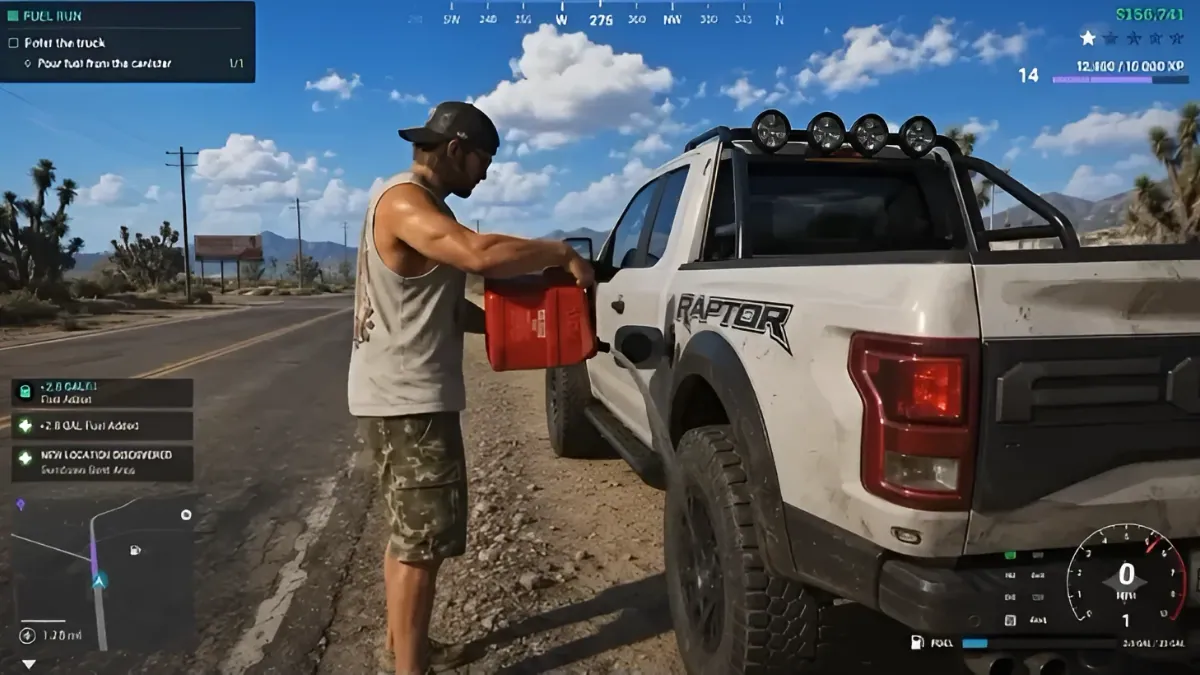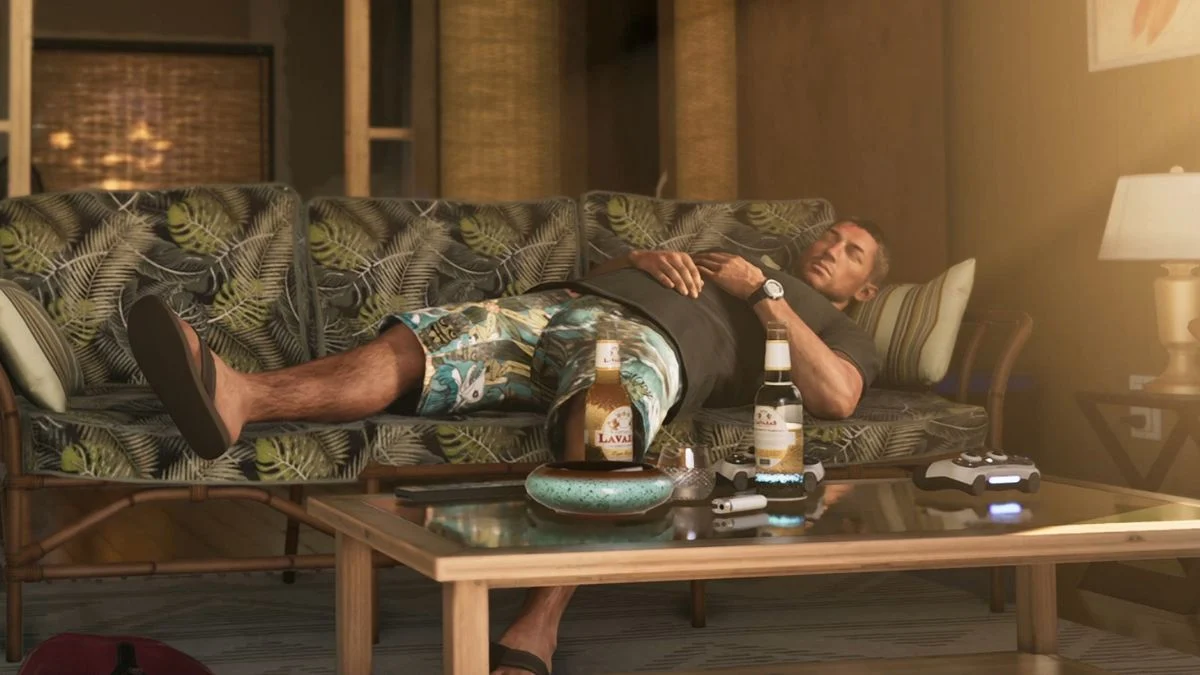
GTA 6 NPC memory system has become a popular topic among Grand Theft Auto fans. Players want to know whether pedestrians, shopkeepers, and other characters will remember them after an earlier encounter.
For example, will a shopkeeper recognise Jason or Lucia after a robbery? Could people in Vice City remember a fight that happened days ago? And will the player’s reputation change how strangers behave in the future?
These are interesting possibilities, but there is an important difference between what Rockstar Games has confirmed and what fans hope to see.
Rockstar has not officially confirmed that individual NPCs remember previous encounters with the player.
However, a Rockstar North developer has discussed several related features, including a crime profile, witness-based wanted levels, police searches based on appearance, and different reactions to player behaviour.
These systems could make the world of GTA 6 feel more responsive, but they do not prove that every pedestrian has a long-term memory.
Does GTA 6 Have an NPC Memory System?

At the time of writing, Rockstar has not announced a dedicated system in which individual NPCs remember past interactions with Jason or Lucia.
There is no confirmed information showing that a pedestrian will recognise you because you attacked them earlier, or that a shopkeeper will remember a previous robbery and refuse to serve you during a later visit.
Rockstar’s published information and developer interviews do describe systems that track player behaviour and allow the world to react to what happens around it.
These features are worth understanding because they are sometimes confused with a full NPC memory system.
The main difference is simple: a game can track your actions without giving every NPC a personal memory of those actions.
For example, the police might search for a suspect based on a crime report. That does not necessarily mean a pedestrian who witnessed the crime will remember your face several in-game days later.
What Is GTA 6’s Crime Profile System?

One of the most interesting confirmed features is the GTA 6 crime profile system.
In an interview published by Japanese gaming magazine Famitsu on August 28, 2026, Rob Nelson of Rockstar North discussed how the game tracks some of the player’s actions and changes the way the world responds.
According to the interview, the system considers whether players behave more like professional criminals or violent criminals. This rating can affect how aggressively people and the surrounding world react to them.
In simple terms, the game is designed to consider the way you play rather than treating every player in exactly the same way.
A player who approaches criminal activities carefully may receive different reactions from someone who regularly uses extreme violence.
Nelson also explained that excessive violence could have some effect on the story and its characters.
However, Rockstar has not revealed the exact rules behind the system. We do not know precisely which actions affect the rating, how the game calculates it, or how long particular actions influence the player’s profile.
Is the crime profile the same as NPC memory?

No. These are two different ideas.
A crime profile tracks aspects of the player’s behaviour. An NPC memory system would allow a specific character to remember an earlier interaction and respond to it later.
For example, the crime profile might influence how the world reacts to a player who regularly commits violent crimes.
A personal memory system would be something more specific, such as a shopkeeper recognising Jason from a robbery that happened several days earlier.
The first system has been described by a Rockstar developer. The second has not been officially announced.
Will good behaviour unlock shop discounts?
There is another important detail from the Famitsu interview.
Nelson explained that GTA 6 does not use good behaviour to provide shop discounts in the same way players might associate with the honour system in Red Dead Redemption 2.
This matters because some online discussions suggest that friendly behaviour could unlock better prices, while criminal actions could cause businesses to reject the player.
Rockstar has not confirmed those shop-based reputation mechanics, and the developer’s comments specifically rule out the idea of earning shop discounts simply by behaving well.
GTA 6 Wanted Levels Will Depend on Witnesses

Another confirmed feature is the way crimes can trigger a police response.
According to Nelson’s Famitsu interview, crimes do not automatically result in a wanted level. Someone needs to witness the crime, and bystanders may contact the police.
This means the circumstances surrounding a crime can matter. Committing an offence where someone can see you may create a different situation from doing it without being observed.
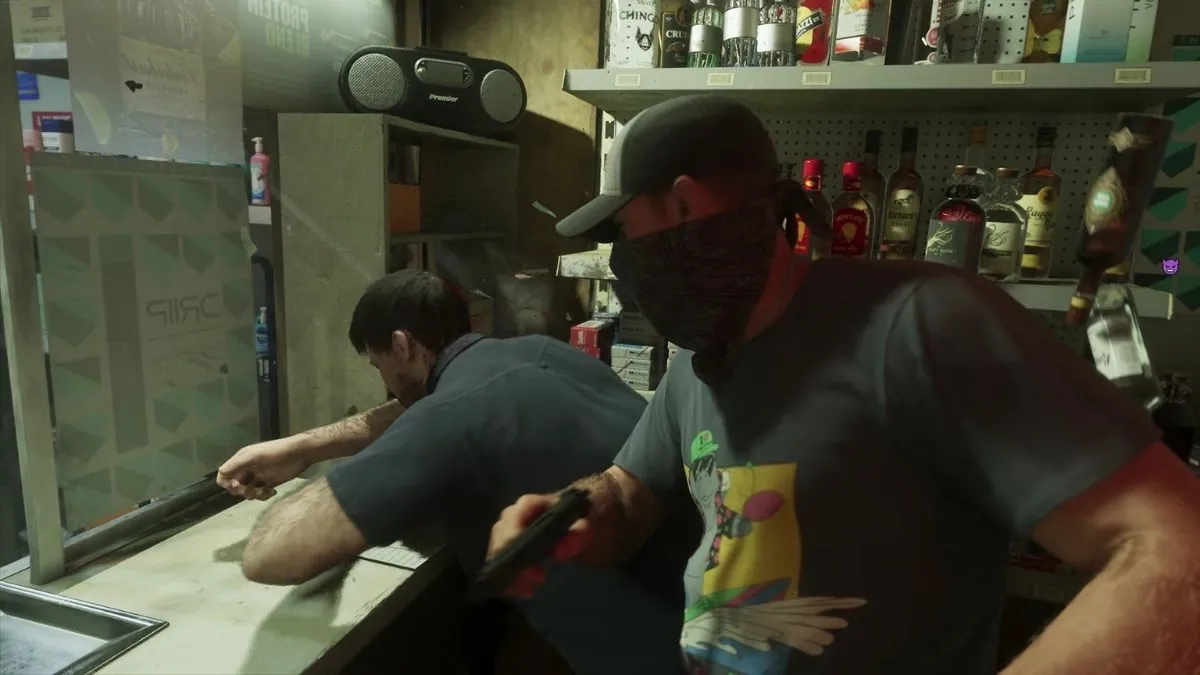
The interview also discussed a shop robbery in which destroying a security camera meant that nobody saw the crime in the example described.
This suggests that witnesses and available evidence play an important role in GTA 6’s wanted system.
However, a witness-based wanted system does not automatically confirm long-term NPC memory. The game can determine whether someone witnessed a crime without making that person remember the player forever.
For example, a witness might report a crime, leading the police to investigate. That is different from the same witness recognising Jason during a completely unrelated encounter several days later.
Whether GTA 6 includes that second level of behaviour remains unconfirmed.
How Police Will Identify Jason and Lucia
GTA 6’s police system also appears to place more importance on the player’s appearance and vehicle.
Nelson explained that after a crime is reported, the police can search based on details such as clothing, appearance, and the vehicle connected to the incident. The interview refers to this as the player’s “heat.”
Changing clothes, removing a mask, dropping a weapon, or switching vehicles can reduce how closely the player matches the description associated with the report.
This creates more ways to escape attention after a crime. Instead of simply driving away and waiting for the wanted level to disappear, players may need to think about what the police know and how closely they match the information they have received.
For example, changing your outfit could make it harder for officers searching for someone in different clothing to identify you.
Still, police identification during an active search is not the same as ordinary NPCs remembering you. It is a separate gameplay system based on information connected to a reported incident.
Rockstar has not confirmed that a civilian will permanently remember your face, clothing, or vehicle after witnessing a crime.
How Will NPCs React When You Carry a Weapon?
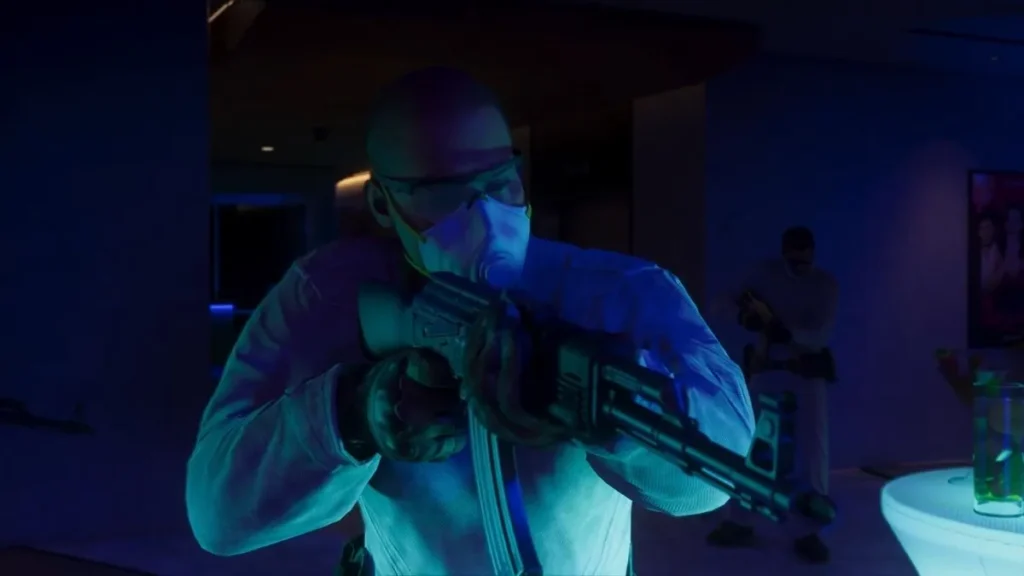
Although long-term memory remains unconfirmed, GTA 6 is expected to feature more detailed reactions to the player’s immediate behaviour.
In the Famitsu interview, Nelson explained that pedestrians may avoid the player or react aggressively when they see a weapon being carried openly. He also stated that long guns can no longer be treated as invisible when carried around.
This means your actions and the items you display can affect how people respond to you in the moment.
Walking through a busy street with a weapon in your hand may attract unwanted attention. People could become uncomfortable or react differently from how they would if you were walking around normally.
These reactions can help make the game world feel more believable. However, they do not prove that the same people will remember the incident after you leave the area and return later.
An NPC reacting to what you are doing now is different from an NPC remembering what you did in the past.
That distinction is important when evaluating claims about GTA 6’s AI.
Will GTA 6 NPCs Have Different Faces and Appearances?
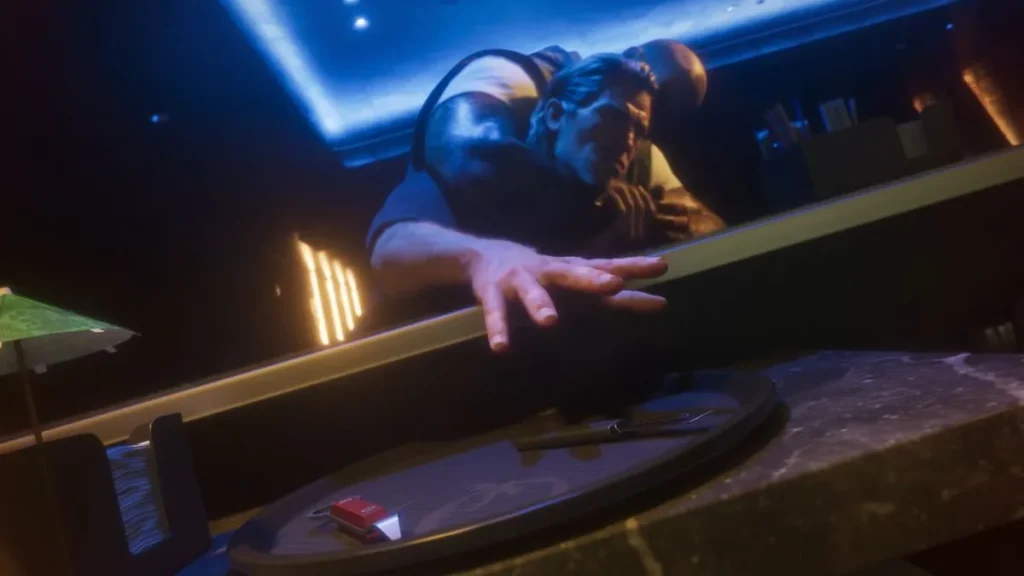
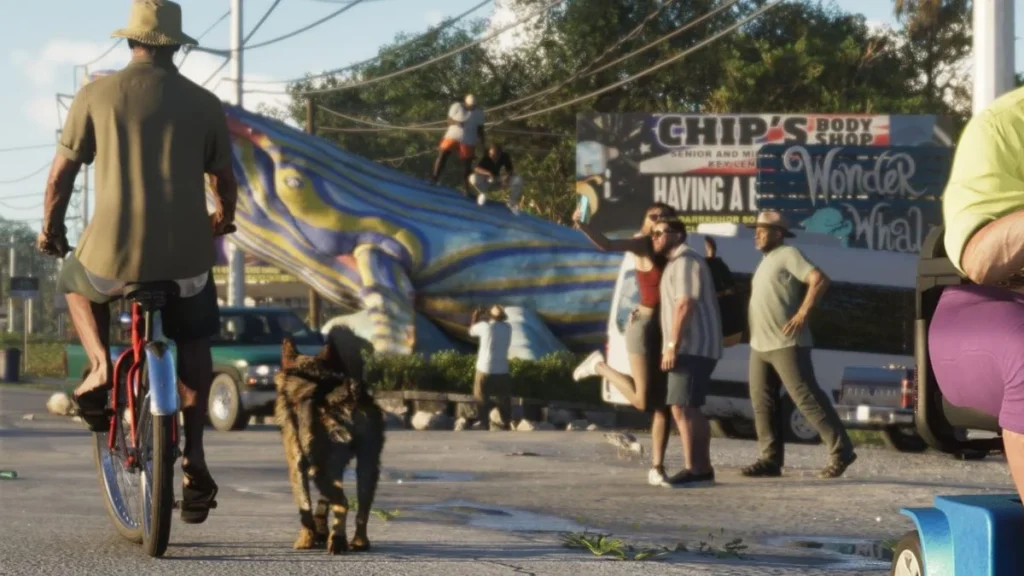
Rockstar North has also discussed greater variety among pedestrians.
According to the Famitsu interview, GTA 6 features more variation in NPC height and build than earlier games.
The crowd has also been designed to reduce the feeling that players repeatedly encounter obviously identical faces.
This should help Vice City and the wider state of Leonida feel more varied as players explore different streets, neighbourhoods, and locations.
However, having more varied characters does not mean those characters have long-term memories. NPC variety and NPC memory are separate features.
A game can create a large selection of different-looking pedestrians without allowing each one to remember past interactions with the player.
Rockstar has not confirmed that the appearance changes are connected to a personal memory system.
Does GTA 6 Have Social Media That Tracks Your Actions?
Social media is another part of GTA 6 that has attracted attention.
In a feature published on September 6, 2026, Dazed reported on the game’s in-world social media feeds and described how the rise of Real Dimez can be followed through viral posts.
This suggests that social media could play a role in presenting events and characters within the game world.
However, the Dazed feature is journalistic coverage, not a formal announcement of a personal NPC memory system.
It does not establish that ordinary pedestrians share memories of encounters with Jason or Lucia, or that gossip spreads according to a specific in-game timer.
It is important to keep these claims separate. In-game social media does not automatically mean NPCs remember the player’s actions.
A social feed could show information about events without every character having a persistent memory of the people involved.
GTA 6 NPC Memory Rumours You Should Know About

Several claims about the GTA 6 NPC memory system have circulated online. They may sound interesting, but they should not be treated as confirmed features without reliable evidence.
The “Reputation Web” system
Some discussions use the name “Reputation Web” to describe a supposed system that connects the player’s actions with NPCs, neighbourhoods, and criminal groups.
However, no verified Rockstar announcement or developer statement has established a feature by that name.
Until Rockstar provides evidence, the term should be treated as an unverified claim rather than an official gameplay system.
NPCs remember five previous encounters
Another claim suggests that each NPC can store the player’s five most recent encounters.
There is no verified source establishing that number. Rockstar has not published a memory-slot limit or explained how many past interactions an individual pedestrian can remember.
The claim may be repeated online, but repetition alone does not make it true.
Gossip spreads after 48 in-game hours
Some rumours suggest that NPCs share information about the player and spread gossip after a set period of 48 in-game hours.
No reliable evidence has established this specific timing rule. Rockstar has not confirmed a gossip system with that schedule.
It is possible to imagine a game where information spreads through a population, but that possibility is not proof that GTA 6 uses this mechanic.
Shopkeepers remember robberies and refuse service
Another popular idea is that a shopkeeper could recognise the player after a robbery and refuse to serve them during a later visit.
This would be an interesting way to make criminal actions have longer-lasting consequences. However, Rockstar has not announced this feature.
The developer’s comments about the crime profile also clarify that good behaviour does not earn shop discounts.
Claims about shopkeepers rewarding or punishing players through a personal memory system therefore need evidence before they can be presented as facts.
Neighbourhoods and gangs remember your reputation
Some players also expect different areas or gangs to develop permanent opinions of Jason and Lucia.
Rockstar has discussed a crime profile that rates aspects of the player’s behaviour, but it has not confirmed a system with separate permanent reputation scores for every neighbourhood or gang.
The crime profile should not be used as proof of a larger reputation network that has not been announced.
What Would Confirm an NPC Memory System in GTA 6?
There are two useful ways to establish whether GTA 6 includes long-term NPC memory.
First, Rockstar could directly explain the feature in an official announcement, developer interview, support article, or video description. Clear wording about individual NPCs storing past interactions would provide strong evidence.
Second, independent reviews of the released game could document repeatable examples.
For instance, a reviewer could explain how a particular shopkeeper recognises the player after a previous encounter, identify the game version being tested, and show that the reaction occurs during a separate visit.
A single reaction would not necessarily prove that every NPC has persistent memory. But repeated, clearly documented examples could help establish how the mechanic works.
Rockstar’s official GTA VI website lists November 19, 2026, as the release date. Before the retail game is available for independent testing, specific claims about hidden memory mechanics should be treated cautiously.
Conclusion
The idea of NPCs remembering past encounters could make GTA 6 even more immersive. Imagine returning to a store after a robbery and seeing the owner react differently, or discovering that a witness recognises you long after a crime.
However, those examples remain possibilities rather than confirmed features.
What Rockstar’s developer has described is already interesting: a crime profile that tracks aspects of player behaviour, wanted levels that depend on witnesses, police searches based on appearance and vehicles, and pedestrians who react to visible weapons.
These mechanics could give players more reasons to think carefully about their actions. But they do not establish that individual NPCs remember specific encounters over time.
The bottom line: GTA 6 has a confirmed crime profile and more detailed crime-response systems, but an individual NPC memory system has not been officially announced.
Claims about five stored encounters, 48-hour gossip, permanent neighbourhood reputations, or shopkeepers remembering robberies remain unverified.